Source Excavator Bearing Line Boring Machine for Mining, Construction, and Repair
Compare 30 excavator bearing line boring machines from verified suppliers in China. These horizontal and semiautomatic units feature precision boring bars and come with ISO and CE certifications for industrial maintenance and manufacturing applications.
Key considerations
Products List


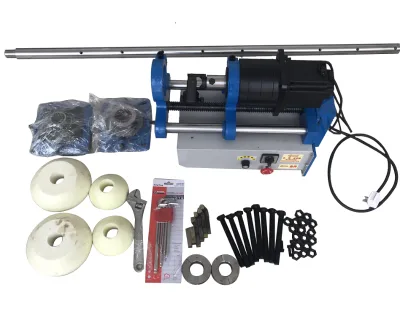


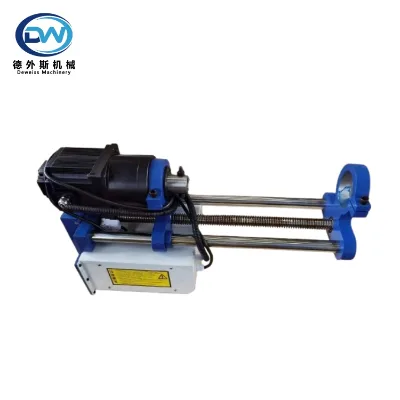


Comprehensive Sourcing Guide
Strategic Sourcing Guide for Excavator Bearing Line Boring Machines
The global demand for heavy machinery maintenance and repair has driven a specialized need for high-precision line boring equipment. Excavator bearings, particularly those found in swing drives, final drives, and track rollers, require exacting dimensional tolerances to ensure operational longevity and safety. Sourcing a line boring machine for this specific application involves navigating a complex landscape of technical specifications, certification requirements, and supplier capabilities. This guide provides a disciplined framework for buyers to evaluate potential procurement options, focusing on the specific attributes observed in the current market for horizontal boring machines.
Technical Specifications and Operational Capabilities
When evaluating a line boring machine for excavator bearing repair, the primary focus must be on the machine's structural integrity and its ability to handle the specific dimensions of heavy equipment components. The market offers a variety of models, ranging from semiautomatic to fully automated systems, each serving different production volumes and precision needs. A critical observation in the current supply landscape is the prevalence of horizontal boring machines. These units are designed with a structure that aligns the boring bar horizontally, providing the necessary stability for large-diameter operations.
The precision of the machine is a fundamental attribute. Buyers should look for units explicitly categorized as "Precision" or "High Precision" machines. The specific model LB1000 and LB2300 represent distinct configurations available in the market, while other models like the T8115VF series and PE50D offer alternative configurations. The boring bar is the core cutting element, and its specifications vary significantly across suppliers. Some units feature boring bars with diameters of 30, 40, 50, or 60mm, while others may offer a standard 60x2000mm bar. The length of the boring bar is equally critical, with observed ranges extending from 1000mm up to 7000mm depending on the model, such as the PB150A or PB60A.
The machine's range of operation defines its utility. For excavator bearings, the boring diameter capability is paramount. Available specifications indicate a boring diameter range of 35mm to 500mm or 600mm, with a machine range of 40mm to 600mm. This capacity allows for the reconditioning of various bearing seats found in different excavator classes. Furthermore, the facing diameter capability, observed in some listings as 70mm to 600mm, ensures that the machine can also perform necessary facing operations on the bearing housing surfaces. The spindle speed range is another technical parameter to verify; observed data points to a range of 100 r.p.m., which must be sufficient for the material removal rates required in steel and cast iron components.
Compliance, Certification, and Safety Standards
In the B2B machinery sector, compliance is not merely a formality but a prerequisite for operational safety and legal liability protection. Buyers must verify that the machinery adheres to recognized international standards. The supply data indicates that many units carry ISO and CE certifications. Specifically, some products are noted to have a standard of "CE by TüV Rheinland," a rigorous third-party verification that adds significant credibility to the safety claims of the equipment. However, buyers should not assume that every listed product possesses this specific certification without direct verification.
The certification status often correlates with the machine's origin. Many units originate from Shanghai, China, while others are produced in Shaanxi, China. The place of origin can influence the specific regulatory frameworks applied during manufacturing. For instance, a machine listed with "ISO Condition: New" suggests adherence to international quality management systems, but the specific scope of this ISO certification (e.g., ISO 9001 for quality vs. ISO 14001 for environmental management) should be clarified with the supplier.
Safety standards also extend to the machine's structural design. The "Horizontal Type" structure is a standard safety feature that lowers the center of gravity, reducing the risk of tipping during heavy cutting operations. Additionally, the controlling mode is a vital safety and operational consideration. While some modern units offer CNC capabilities, the observed data includes "Artificial" controlling modes and "Normal" CNC status, indicating a mix of manual and automated systems. Buyers must ensure that the chosen machine's control system matches the skill level of their operators and the required safety protocols of their facility.
Cost Drivers and Pricing Structures
Understanding the cost drivers for line boring machines is essential for budgeting and negotiating effectively. The observed price range in the market is vast, spanning from $1 to $15,000 USD. This wide disparity is not indicative of quality differences alone but reflects variations in machine size, automation level, and included accessories. Smaller, portable units or those with limited specifications may fall at the lower end of this spectrum, while heavy-duty, high-precision models with extensive boring bar lengths and advanced control systems command higher prices.
The minimum order quantity (MOQ) is another significant factor. In the current market, the observed MOQ is consistently 1 unit. This low threshold suggests that buyers can procure single units without the need for bulk purchasing, which is advantageous for small repair shops or individual contractors. However, the price per unit may fluctuate based on the specific configuration requested.
Packaging is a hidden cost driver that impacts the total landed cost. The supply data reveals diverse packaging methods, including "Wooden Case," "Inner Is Aluminum Foil Bag, out Is Wooden Case," and "Plywooden Case." Heavy machinery requires robust packaging to prevent damage during transit. A "Wooden Case" or "Iron Case" is standard for high-value units, while lighter components might be packed in plywood. Buyers should factor in the cost of unpacking and potential disposal of these heavy cases, as well as the insurance costs associated with shipping such large, heavy items.
Typical Applications and Operational Scope
Line boring machines are indispensable in the heavy equipment repair industry, specifically for excavators. The primary application is the restoration of bearing seats that have worn out due to friction, corrosion, or impact. Excavator components such as swing circles, final drive housings, and track roller frames often require precise boring to restore the original diameter and surface finish. The machine's ability to handle a boring diameter of up to 600mm makes it suitable for a wide range of excavator sizes, from compact models to large mining excavators.
The versatility of these machines extends beyond simple boring. With a facing diameter capability of up to 600mm, the equipment can also machine the flange surfaces of bearing housings, ensuring a perfect seal and alignment. The "Multifunctional" key selling point observed in some listings suggests that these machines can perform multiple operations, reducing the need for separate equipment and streamlining the repair workflow.
The material removal capabilities are also tailored to the specific needs of heavy machinery repair. The "Fine Knife" tool type indicates a focus on achieving a smooth surface finish, which is critical for bearing installation. The maximum knives on one side, observed at 3mm, suggests the machine's capacity for specific cutting depths, which must be matched to the wear depth of the component being repaired.
Supplier Evaluation and Geographic Considerations
Evaluating suppliers requires a careful analysis of their location, production capacity, and product history. The majority of the observed units originate from China, with specific hubs in Shanghai and Shaanxi. Shanghai is a major industrial center known for its manufacturing capabilities, while Shaanxi is also a significant producer of heavy machinery. The "Place of Origin" is a critical data point for buyers to assess logistics, shipping times, and potential tariff implications.
Production capacity is another metric to consider. One observed listing mentions a production capacity of 111 units, which may refer to a specific factory's output or a batch size. Buyers should inquire about the supplier's ability to scale production if they plan to purchase multiple units or require custom modifications. The "New" condition of the products is a standard expectation, but buyers should verify the manufacturing date to ensure the equipment is not overstocked or obsolete.
Supplier reliability can also be gauged by the availability of test reports. Some listings mention that a "Machinery Test Report" is provided. This document is crucial for verifying that the machine meets the claimed specifications before shipment. Buyers should request these reports as part of the pre-purchase due diligence to ensure the machine's performance aligns with their operational requirements.
Quality Control and Long-Term Procurement Considerations
Quality control is the final gatekeeper in the procurement process. Buyers must ensure that the machine's core components, such as the gearbox and CNC systems (if applicable), are of high quality. The presence of a "1 Year" warranty is a standard offering in the market, but buyers should scrutinize the terms of this warranty. Does it cover the entire machine, or only specific components? Are there exclusions for wear and tear?
The weight of the machine is another factor that impacts quality and stability. Observed weights range from 0.04 tons for smaller units to heavier configurations. A heavier machine generally implies a more robust construction, which is beneficial for maintaining precision during heavy cutting operations. However, the weight also affects shipping costs and the need for specialized lifting equipment at the destination.
For long-term procurement, buyers should consider the availability of spare parts and technical support. The "1 Year" warranty period is a starting point, but the long-term viability of the machine depends on the supplier's ability to provide ongoing support. Buyers should verify the availability of replacement boring bars, knives, and other consumables. Additionally, the "Standard Boring Bar" specifications, such as the 60x2000mm size, should be compatible with the machine's design to ensure easy replacement and maintenance.
Comparative Analysis of Key Machine Attributes
To assist buyers in making informed decisions, the following table summarizes the key attributes observed in the current market for line boring machines. This comparison highlights the variations in specifications that buyers must evaluate based on their specific needs.
| Attribute | Observed Range/Values | Relevance to Excavator Repair |
|---|---|---|
| Machine Type | Horizontal Type | Essential for stability during large diameter boring. |
| Precision Level | Precision / High Precision | Critical for bearing seat fit and operational life. |
| Boring Diameter | 35mm ~ 600mm | Covers most excavator bearing seat sizes. |
| Boring Bar Length | 1000mm ~ 7000mm | Determines the maximum depth of cut and reach. |
| Control Mode | Artificial / CNC / Normal | Affects operator skill requirements and automation level. |
| Certification | ISO, CE (TüV Rheinland) | Ensures safety compliance and quality standards. |
| Origin | Shanghai, Shaanxi, China | Influences logistics, lead time, and tariff costs. |
| Warranty | 1 Year | Standard protection period for manufacturing defects. |
| Packaging | Wooden Case, Plywood, Iron Case | Impacts shipping safety and unloading requirements. |
Conclusion
Sourcing an excavator bearing line boring machine requires a meticulous approach that balances technical specifications, compliance, and cost. The market offers a diverse range of options, from semiautomatic horizontal models to high-precision units with extensive boring capabilities. Buyers must verify certifications, understand the implications of origin and packaging, and ensure that the machine's specifications align with their specific repair needs. By focusing on these evidence-based factors, procurement professionals can secure reliable equipment that enhances their operational efficiency and maintains the highest standards of safety and quality.
FAQs
What certifications do excavator bearing line boring machines typically have?
Many units carry ISO and CE certifications, with some specifically holding CE by TüV Rheinland verification. Buyers must verify that every listed product possesses these specific certifications without assuming they apply to all models.
Which boring bar dimensions are available for heavy equipment repair?
Available boring bars include diameters of 30, 40, 50, or 60mm, with standard sizes like 60x2000mm. The length can range from 1000mm up to 7000mm depending on the specific model configuration.
How does the price range vary for these horizontal boring machines?
The observed price range spans from $1 to $15,000 USD, reflecting differences in size and automation. Smaller portable units fall at the lower end while heavy-duty models command higher prices.
Can buyers order single units without bulk purchasing requirements?
Yes, the observed minimum order quantity is consistently 1 unit for these machines. This allows small repair shops to procure single units without needing to meet bulk purchasing thresholds.
What is the typical boring diameter range for excavator bearing restoration?
The boring diameter capability ranges from 35mm to 500mm or 600mm, suitable for various excavator classes. This capacity allows for the reconditioning of bearing seats found in different heavy equipment models.
Which packaging methods are used for shipping these heavy machines?
Packaging options include wooden cases, plywood cases, or inner aluminum foil bags with outer wooden cases. Heavy machinery requires robust packaging to prevent damage during transit.